


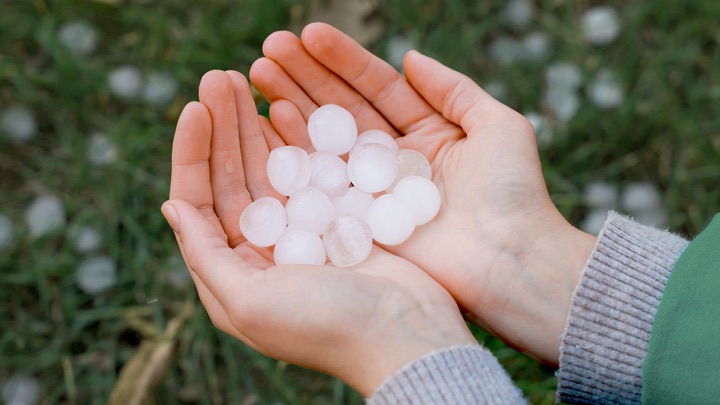
Protecting Your Property Against Hail Storms
Friday September 16, 2022
Important Notice: While our offices remain open, we ask that you please make an appointment given hybrid/remote work considerations. Thanks for your understanding and we look forward to seeing you.
Our goal is to maintain and improve our professional knowledge. We strive to provide our customers and business partners a level of service that exceeds their expectations.









With the holidays behind us, many look at creating goals to start the New Year off right. While creating New Year’s Resolutions for your body, mind and soul are undoubtedly important, insurance can be another great area to evaluate your goals. Something which 2021 has taught us, is that a lot can happen and change in a year. When reflecting…
Read More
Do you use natural gas to fuel your home? Many Canadians have one or more appliances that rely on natural gas. When used properly, gas is a safe, efficient and reliable fuel source, but potential leaks pose a health and safety risk. It can be tricky to detect a leak because natural gas is invisible. Knowing the possible signs and symptoms will hel…
Read More
Accident Forgiveness in Ontario: What You Need to Know Car accidents can happen to even the most vigilant drivers. Accident forgiveness, also known as accident protection or accident waiver, helps prevent your insurance premiums from increasing after your first at-fault collision. Why auto insurance rates go up Car insurance premiums are calculate…
Read More
Winter is just around the corner. In Ontario, that means drastic temperature fluctuations, icy conditions and enough snow to make Rudolph run for cover. That's why now is the time to start preparing your home for the cold weather. Proper preparation will protect your home from damage and prevent home insurance claims. No matter how fiercely the sn…
Read More
Like life itself, a winding road is unpredictable. So when you embark on your journey this summer, have safety that goes beyond the body of your car. Get yourself some peace of mind with an auto insurance policy that covers you in the wake of an unexpected collision, or any accident that may arise when the rubber hits the road. But your protection…
Read More

When it comes to the simple pleasures of summertime living, one could argue that being on or near the water is the ideal way to spend a hot summer afternoon. That’s especially the case when you have all of the fun toys, like canoes, kayaks, pontoon boats or sailboats, at your disposal. In Ontario, we’re fortunate to live near many beautiful…
Read More
It’s better to stop problems before they arise instead of cleaning up after a bad situation. A common thought that runs through the minds of our clients following a minor or a major loss is —“I can’t believe this has happened - I don’t have time for this - Why me?” While we can’t provide a definitive answer to this, we can offer a course of preven…
Read More

In today’s world, it’s pretty difficult to go throughout an entire day without having some sort of connection to the internet. You bank online, shop online, click & collect your groceries, and now with the majority of businesses relying on virtual means of operation, you’re even depending on an internet connection to get a job done as you work fro…
Read More
An uncertain era of taxation policy lies ahead for Canadian Taxpayers. The financial impact of COVID-19 combined with the recent fiscal budgets has resulted in historic levels of government spending. Canada’s 2020 deficit is expected to exceed 381 billion and the national debt is approaching 1 trillion dollars. Government programs for COVID-19 are…
Read More